Soldering & desoldering
Soldering and desoldering gather here everything that is worked with an iron on a retro console: stations and irons, wire, flux and braid, but also the parts that call for soldering such as 0.5 mm FFC connectors, SMD LEDs, Game Boy speakers and USB-C charging modules.
59 items
Fun-Esports
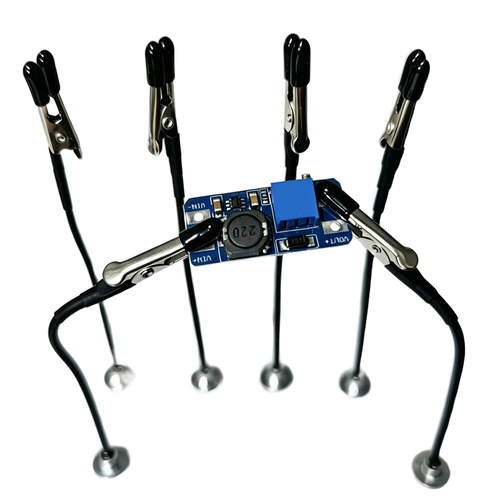
Soldering helping hand — magnetic base and flexible armsAvailable
17,99€
Fun-Esports
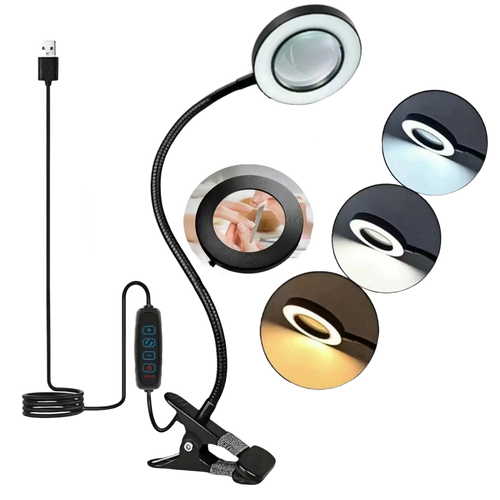
5x LED magnifier lamp for the workbench — 3 colour temperatures, soldering and moddingAvailable
31,99€
Fun-Esports
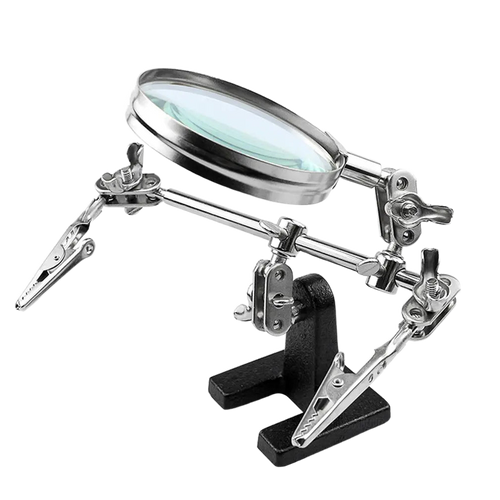
Helping hand with 5X magnifier for soldering — FEITA TE-805 crocodile clipsAvailable
26,99€

Fun-Esports
Soldering iron tip cleaning and tinning cream — 6 to 26 gAvailable
17,99€
Fun-Esports
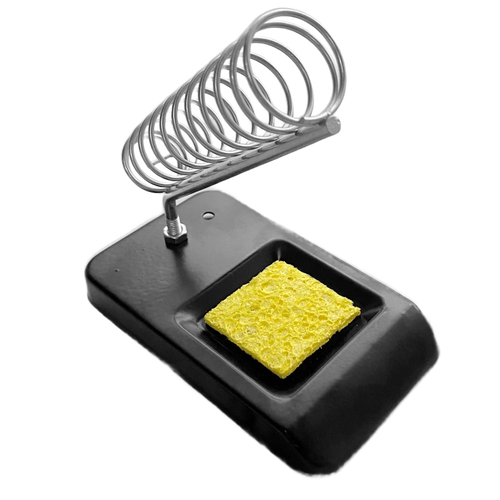
Soldering iron stand with sponge — stable base for the workshopAvailable
19,99€
Fun-Esports
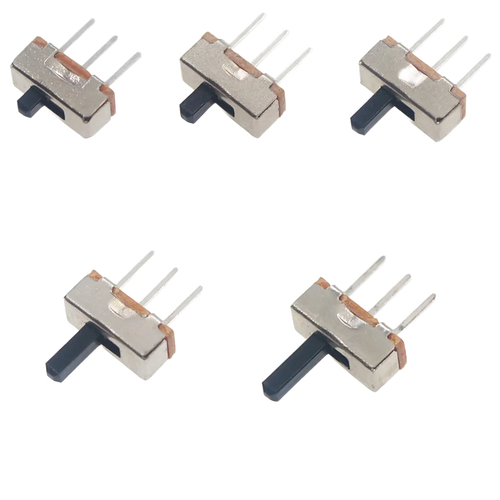
SS12D00 slide switches — pack of 20, 1P2T 3-pinAvailable
17,99€
Fun-Esports
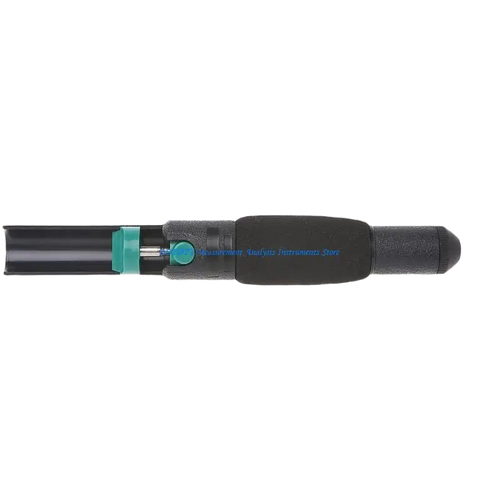
367D desoldering pump — remove molten solder in one goAvailable
18,99€
Fun-Esports
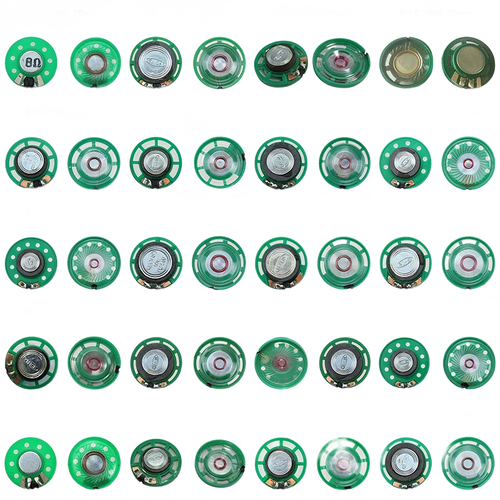
Replacement speaker for retro consoles — 8/16/32 Ω, pack of 2Available
16,99€

Fun-Esports
Flexible silicone wire, 5 colours — mod wiring, 20 to 30 AWGAvailable
28,99€
Fun-Esports
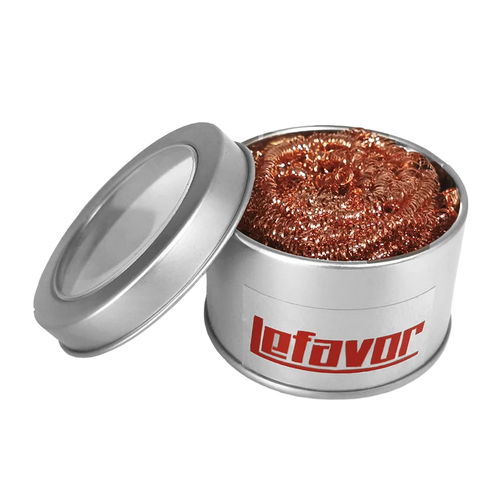
Soldering iron tip cleaning ball — dry cleaningAvailable
17,99€
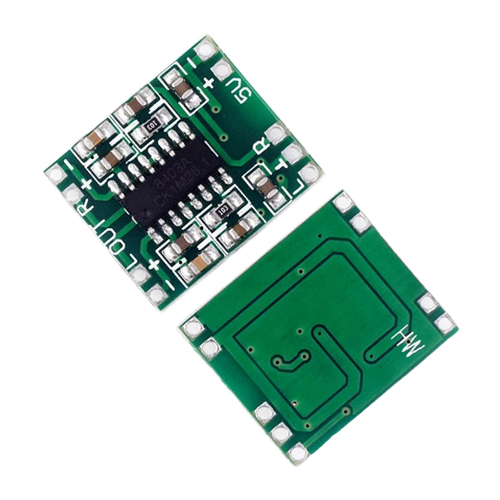
Fun-Esports
PAM8403 2 × 3 W audio amplifier module — class D, 5 V USBAvailable
15,99€
Knowing in advance which retro repairs have to go through the iron
Questions fréquentes
Where should you start if you have never soldered?
With a temperature-controlled iron, 0.8 mm wire, flux and braid. Practise on a dead board before touching a console. Replacing a speaker or a wire makes an accessible first job; micro-soldering comes much later.
Do you need a microscope to solder SMD?
For 0805 or 1206 packages, a good magnifying lamp is often enough. Below that, in particular for the 0402 LEDs in the pack of a hundred or 0.5 mm pitch FFC connectors, the digital microscope really does help to spot solder bridges. It is a convenience that becomes a necessity depending on the size.
What is the difference between a ribbon cable and an FFC connector?
The ribbon cable is the flexible strip; the FFC connector is the part soldered to the board that receives it. The pack of fifty flip-lock connectors at 0.5 mm pitch covers 6 to 40 pins. When a ribbon no longer holds, it is often the connector's flip-lock that has broken, not the ribbon.